From Nitrocellulose to Base-Coat: A Century of Automotive Paint
The Scent of History
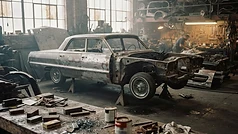
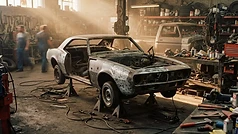
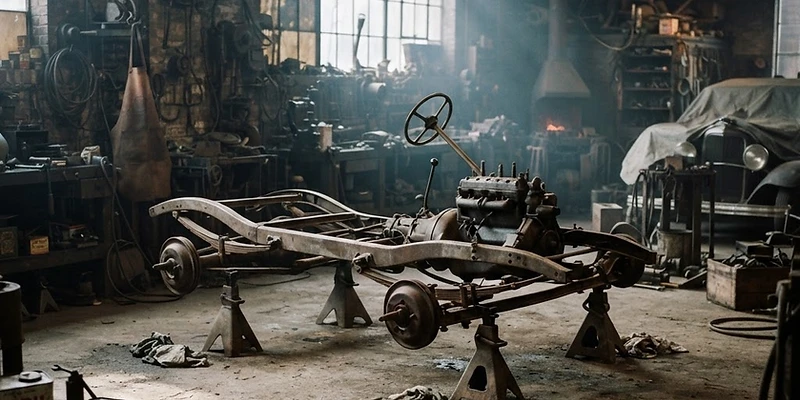
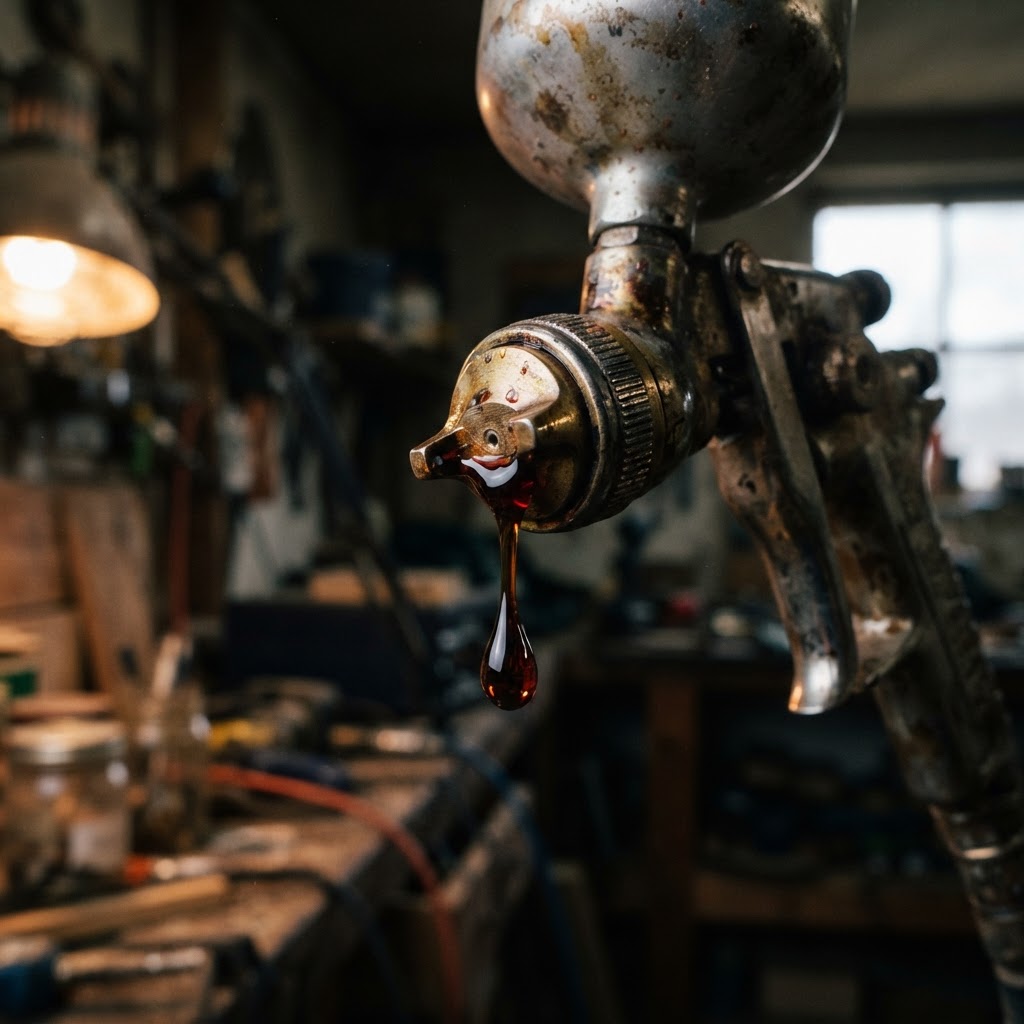
In the quiet corners of the shop, if you catch the light just right, the dust motes dance above a fender that hasn't seen the sun in decades. There is a singular aroma that permeates this space—a ghost of solvents past, a sharp, volatile memory of nitrocellulose that once defined the golden era of automotive beauty. It is the smell of labor, of high-gloss dreams hardened into reality, and of a century-long quest to marry aesthetic perfection with chemical resilience.
The Era of Nitrocellulose Lacquer
Before the mid-1920s, painting a vehicle was a grueling, multi-week process involving slow-drying oil-based paints. The revolution arrived with the application of nitrocellulose lacquer, a derivative of cellulose nitrate. This material was a game-changer for the mass-production lines. Because it dried through solvent evaporation rather than chemical oxidation, a car could be sprayed and moved to the next station in a fraction of the time.
The finish was prized for its depth. It could be buffed to a glass-like sheen that remained unmatched for decades. However, the chemistry was fragile. Nitrocellulose was susceptible to UV degradation and relied heavily on constant maintenance—frequent polishing was necessary to prevent chalking. The process required multiple thin coats, often sanded between applications to achieve that signature liquid-mercury look.
The Application Process
Restoring a vehicle from this era requires a deep understanding of the original technique:
- Priming with a high-build surface primer to level the uneven metal substrate.
- Applying successive thin "mist" coats of lacquer, allowing for flash-off between passes.
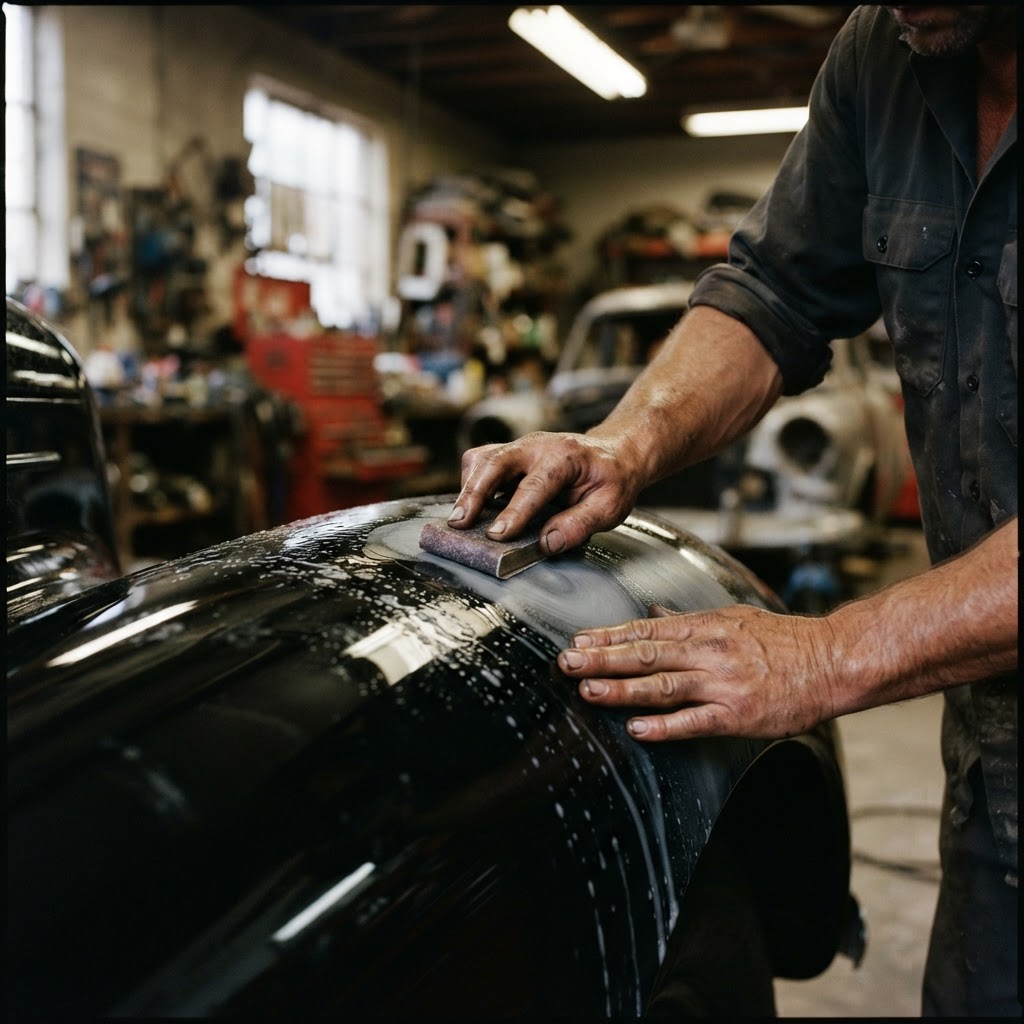
- Wet-sanding the final color coats with extremely fine-grit paper to remove orange peel.
- Hand-polishing with abrasive compounds to bring out the depth of the finish.
The Shift to Acrylics and Enamels
As the mid-century approached, the limitations of nitrocellulose became glaring. The automotive industry required paints that offered better durability and higher solids content. By the 1950s and 1960s, acrylic lacquers and alkyd enamels began to dominate. Acrylic lacquers maintained the ease of repair characteristic of the older formulations but provided superior resistance to environmental hazards like bird droppings and sap.
Alkyd enamels, conversely, were a different breed. These paints cured via oxidation, cross-linking as they reacted with oxygen in the atmosphere. They were tougher and required less buffing, often emerging from the spray booth with a high-gloss finish without the need for extensive post-process leveling. The trade-off was a decrease in the absolute clarity that characterized the older lacquers.
Modern Base-Coat/Clear-Coat Systems
The contemporary standard—the base-coat/clear-coat system—is a feat of polymer engineering. Introduced broadly in the 1980s, this two-stage process separates the duties of color and protection. The base coat contains the pigments and metallic flakes, designed for rapid drying and minimal gloss. The clear coat provides the UV protection, the depth, and the hard, protective barrier that ensures the paint survives years of road use.
This shift was driven by the necessity for environmental compliance and industrial efficiency. By moving away from high-solvent formulations, the industry reduced volatile organic compound (VOC) emissions significantly. Modern clear coats are essentially thermoset resins that cross-link under specific conditions, providing a level of scratch and chemical resistance that would have seemed impossible in the era of early nitrocellulose.
The Survival of the Craft
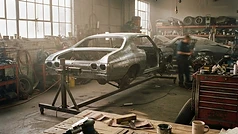
Despite these technological leaps, the fundamental challenge remains the same: the preparation of the surface. No matter how advanced the resin chemistry becomes, a finish is only as good as the substrate beneath it. Today, we utilize digital color matching and precision spray technology, yet the hands that block-sand a panel are still relying on the same tactile feedback that guided the master painter in 1945. The materials have changed, but the relationship between the craftsman, the substrate, and the final reflection remains the enduring heart of the restoration trade.