The DA Sander and the End of Hand-Sanding
The Static Pulse of the Shop
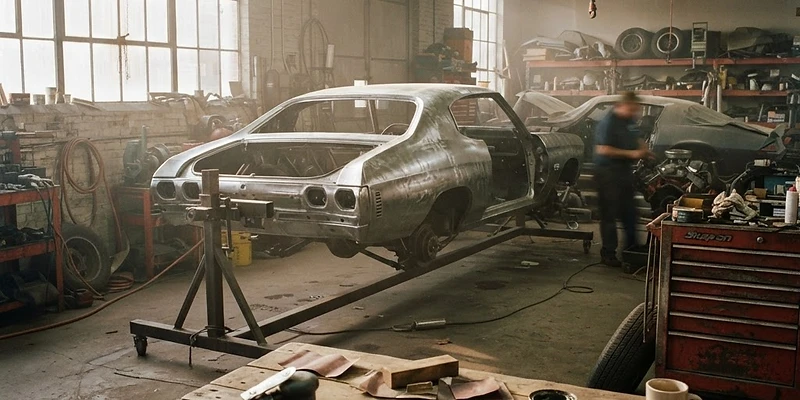
The air in the shop is thick, suspended with a fine, grey particulate that catches the morning light in shimmering veils. It is the smell of aged lacquer, synthetic primer, and the mineral sharpness of abrasive grit. For decades, the rhythm of the restoration bay was set by the human hand—a rhythmic, back-and-forth friction that turned raw steel into glass-smooth surfaces. Before the mechanical revolution, an apprentice would spend weeks on a single fender, using a hard sanding block and a tactile sense of surface topography to find the high spots and low valleys of a panel.
The Mechanical Revolution: Enter the Dual-Action
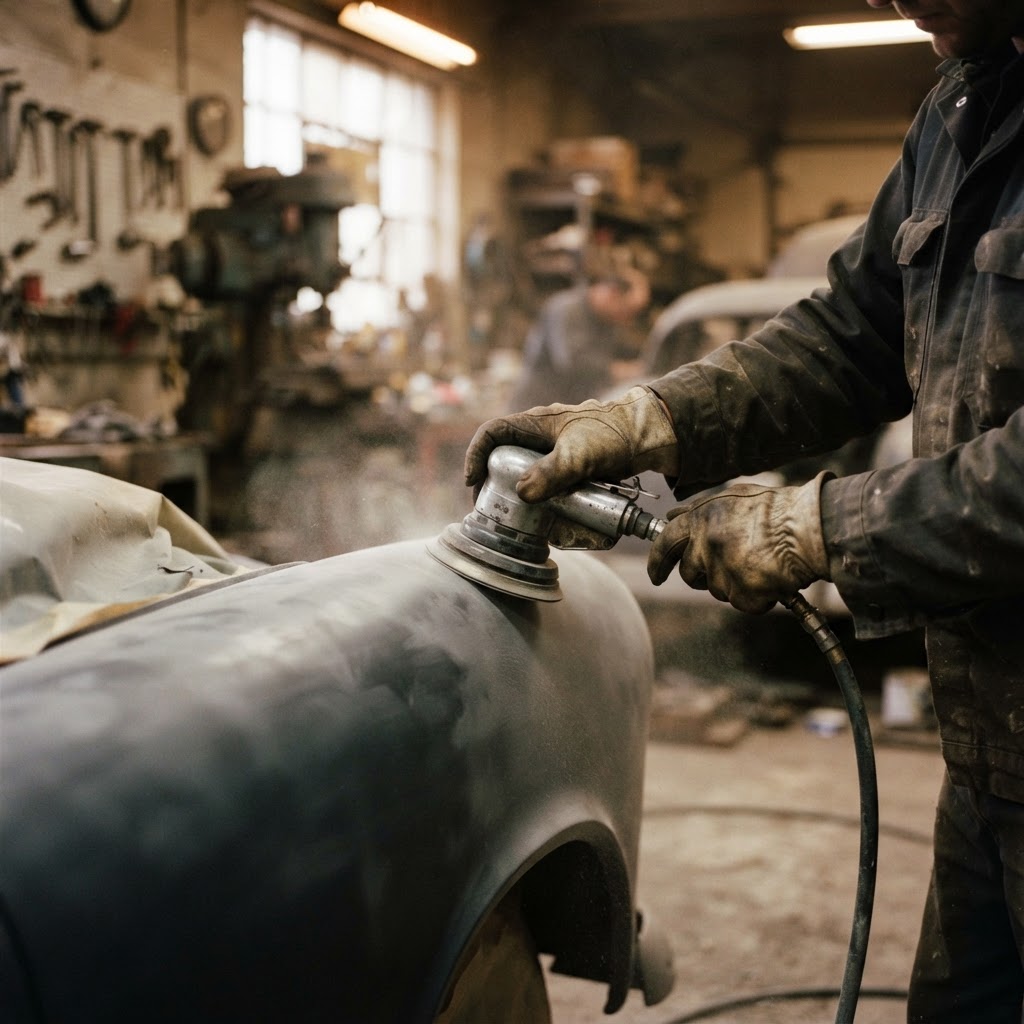
The introduction of the Dual-Action (DA) sander in the 1960s and 70s fundamentally altered the physical labor of the craft. Before the DA, the pneumatic or electric oscillating sanders were prone to creating deep, circular gouges—swirl marks that were virtually impossible to remove without hours of aggressive hand-finishing. The DA changed this by combining two distinct motions: a rotation of the pad coupled with a random orbital oscillation. This meant no single grain of sandpaper followed the same path twice, effectively breaking up the scratch pattern.
The Engineering of Surface Refinement
At the mechanical level, the DA sander operates on a counterweight system housed within the head of the tool. When compressed air enters the motor, it spins a spindle offset from the center. This imbalance generates a random orbit, which prevents the heat buildup and localized friction that typically causes burn-through on delicate body lines. By moving away from the linear friction of a hand block, technicians gained the ability to level fillers and primers with a degree of consistency that manual labor simply could not sustain for long periods.
The Evolution of Abrasives and Chemistry
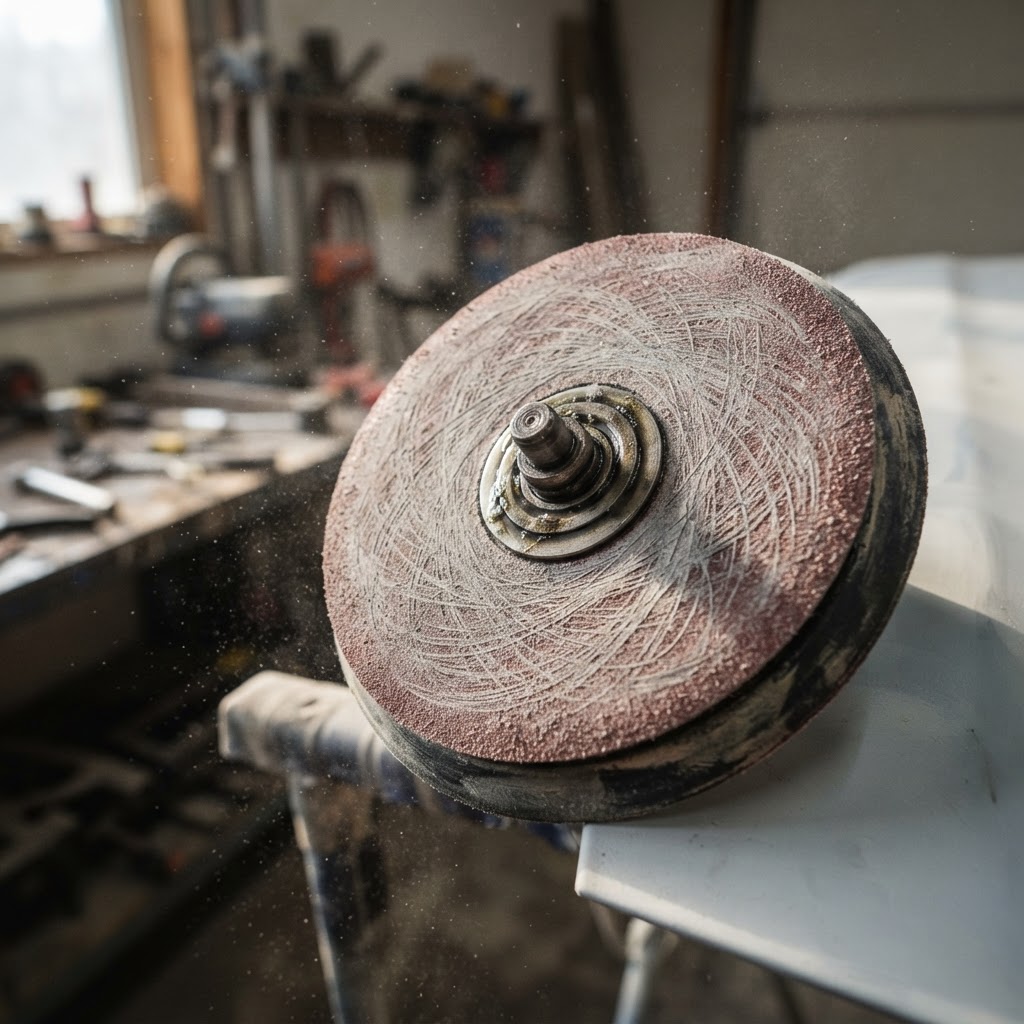
The adoption of the DA sander coincided with a rapid evolution in chemical primers and sanding media. Early restorers relied on basic sandpaper that quickly clogged with paint dust, requiring constant cleaning. The shift toward stearated sandpaper—which features a zinc-stearate coating—allowed the grit to resist loading, keeping the surface clear while the DA performed its work. This period also saw the transition from traditional lead-based body fillers to polyester-based resins, which were significantly harder to sand by hand but ideal for the high-speed leveling capabilities of the random orbital machine.
The Step-by-Step Transition to Perfection
The process of leveling a body panel using the DA method involves a disciplined progression of grits:
- Initial Leveling: Using an 80-grit abrasive to shape and trim the polyester body filler to the contour of the panel.
- Refinement: Stepping up to 180-grit to remove the coarse scratches left by the initial leveling process.
- Sealing: Applying a high-build urethane primer surfacer to fill the remaining pinholes and deep scratches.
- Block Finalization: Using a long-board hand tool with 320 to 400-grit paper to achieve final panel flatness, followed by a light pass with the DA to ensure uniform texture.
The Legacy of the Hand
While the DA sander accelerated the pace of restoration, it did not eliminate the need for the human touch. Even in modern high-production shops, the final block sanding—that critical step where a panel is checked for its mirror-like finish under raking light—remains a manual task. The machine provides the speed and the uniformity of material removal, but the experienced hand provides the final judgment on contour. Today’s technicians utilize the efficiency of the DA to manage the bulk of the workload, reserving the manual block for the subtle curves and body lines that define the elegance of a vintage machine. The craft has not been replaced; it has been redirected toward a higher standard of precision.