The Frame Machine: Straightening Steel in the Unibody Era
The Geometry of Impact
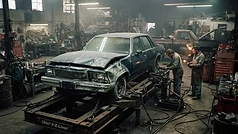
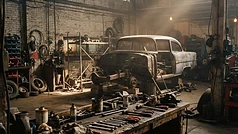
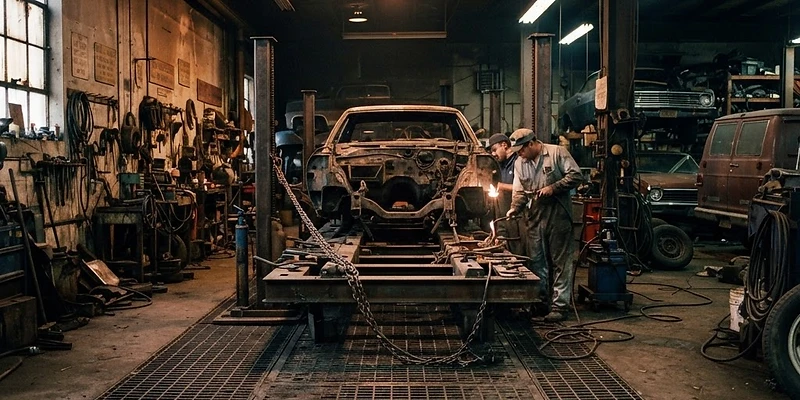
The air in the shop hangs heavy with the sharp, acrid tang of burnt ozone and the lingering sweetness of solvent. In the corner, bathed in the harsh, flicker-prone light of a high-pressure sodium lamp, the frame rack waits. It is a massive steel floor plate, anchored deep into the foundation with rebar and high-strength concrete, crisscrossed by slots and iron grates. Here, the violence of a collision is reversed. The frame machine does not simply pull; it performs a surgical interrogation of metal, forcing steel back into a coordinate system it hasn't inhabited since it left the assembly line.
From Rails to Monocoques
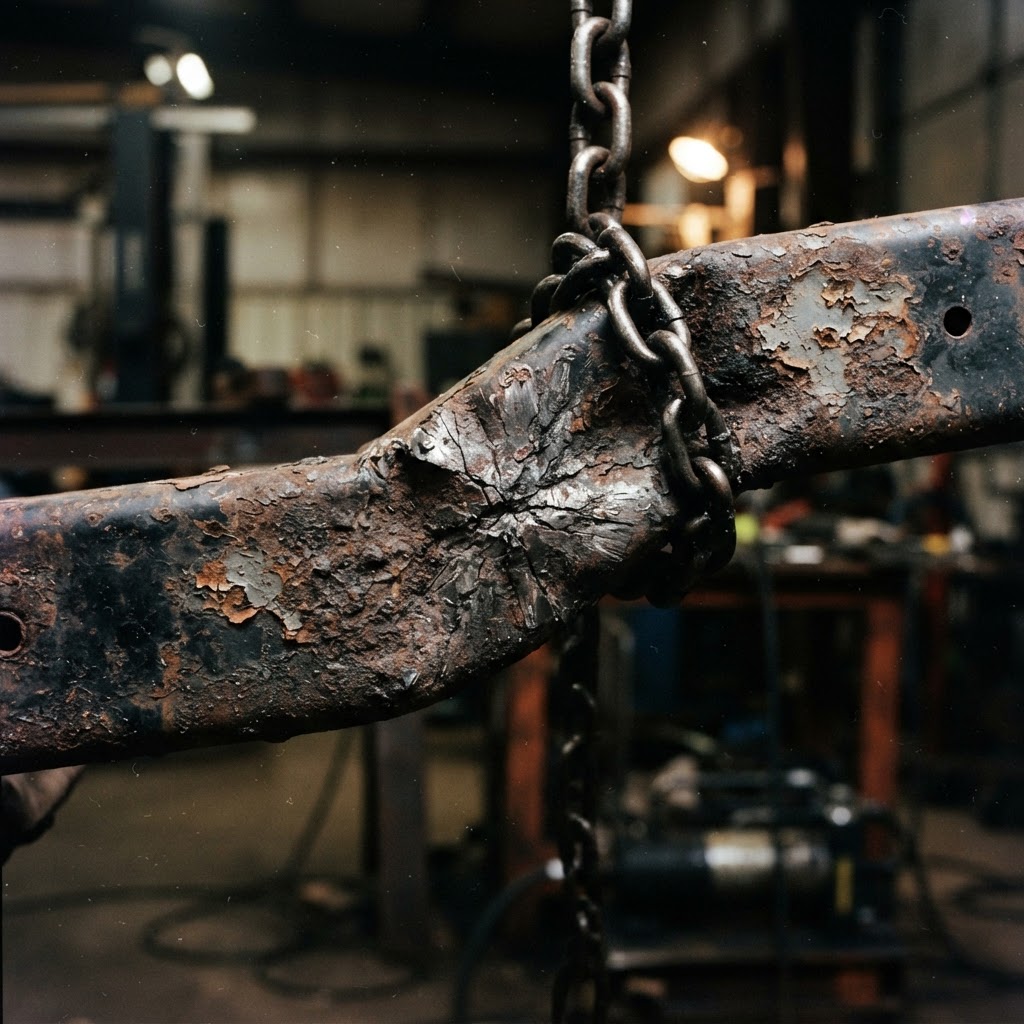
Before the 1960s, automotive architecture relied on the body-on-frame design. These vehicles were built on a ladder-style steel chassis that functioned as the skeleton, with the body acting as little more than a skin. Straightening these was a brutal exercise in physics. A technician could use a hydraulic porta-power or a simple chain-pull system anchored to a post. Because the frame rails were thick, cold-rolled steel, the primary challenge was leverage. You applied enough force to overcome the yield point of the metal, and it stayed where you put it.
The mid-1970s and 1980s heralded the shift toward the unibody. Manufacturers realized that by welding thin-gauge steel stampings into a single, integrated structure, they could achieve greater rigidity while reducing weight. However, this design fundamentally altered the nature of damage. In a unibody car, the sheet metal is part of the structure. When a fender buckles, the energy travels through the firewall, the floor pan, and the pillars. The car becomes a kinetic memory of the crash.
The Science of the Pull
Modern frame machines operate on the principle of multi-point tension. Because unibodies are thin, they are prone to 'spring-back'—the tendency of metal to return toward its deformed state if not properly stress-relieved. The process requires a delicate balance of anchoring and pulling.
The Multi-Point Restoration Process
- Anchoring: The vehicle is mounted to the rack using clamps that grip the pinch welds, which are the strongest structural points of the rocker panels.
- Mapping: Technicians establish a center-line datum, measuring the vehicle against manufacturer-provided 'tram' specifications.
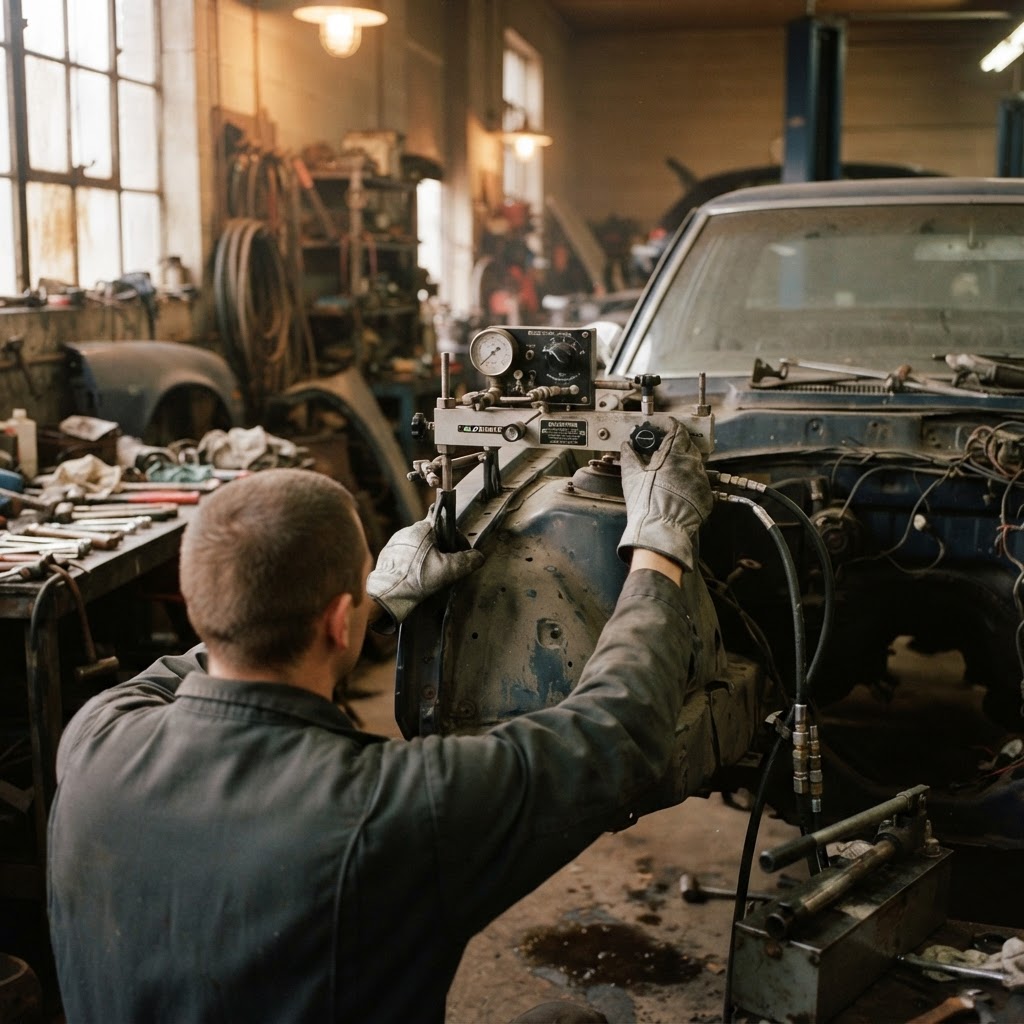
- Hydraulic Tensioning: Multi-ton hydraulic towers are positioned at precise angles. By pulling from several directions simultaneously, the structure is returned to its factory dimensions without inducing new fractures in the fatigue-prone steel.
- Heat Management: Where the steel has become work-hardened, controlled heat is applied to change the metal's ductility, though this must be done sparingly to avoid compromising the factory temper.
The Chemistry of Resilience
The transition to unibody repair also introduced significant metallurgical challenges. As fuel efficiency standards intensified in the 1990s, manufacturers moved toward High-Strength Steel (HSS) and Ultra-High-Strength Steel (UHSS). Unlike the mild steel of the mid-century, these materials have a grain structure engineered for specific crash-energy management. If you heat these metals too high during a pull, you permanently destroy their structural integrity. Today, repair professionals rely on cold-pulling techniques and specialized adhesive bonding, often coupled with structural rivets, rather than the extensive welding and torch work of the past.
The Survival of the Craft
The frame machine remains the heart of the shop because it is the final arbiter of truth. Even with the aid of laser-guided measuring systems that provide sub-millimeter accuracy, the art remains in the hand of the operator. One must listen to the sound of the steel under tension—a distinct groan that changes pitch as the molecules align. The old guard understood this as a physical dialogue with the vehicle. Today, that craft survives as a technical discipline, blending the raw power of hydraulics with the delicate science of modern metallurgy. We are no longer just fixing a car; we are restoring the geometry of safety, ensuring that if the metal is ever called upon to protect again, it will perform exactly as the engineers intended.