The English Wheel and the Metalshapers Who Kept the Craft Alive
The Rhythm of the Rolling Mill
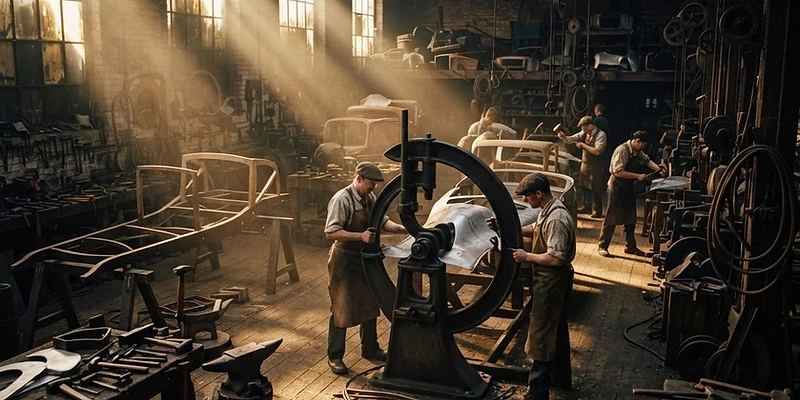
In the quiet corners of a workshop, the air carries the faint, sharp tang of ozone and the heavy, metallic scent of cold-rolled steel. The shop is bathed in the golden, dusty shafts of afternoon light, illuminating a silhouette that has defined automotive coachbuilding for over a century: the English Wheel. There is a singular, rhythmic crunch—the sound of steel being coaxed into a compound curve under the precise pressure of a hardened wheel. This is not the brutal force of a hydraulic press, but the patient, calculated displacement of atoms.
The Engineering of Plastic Deformation
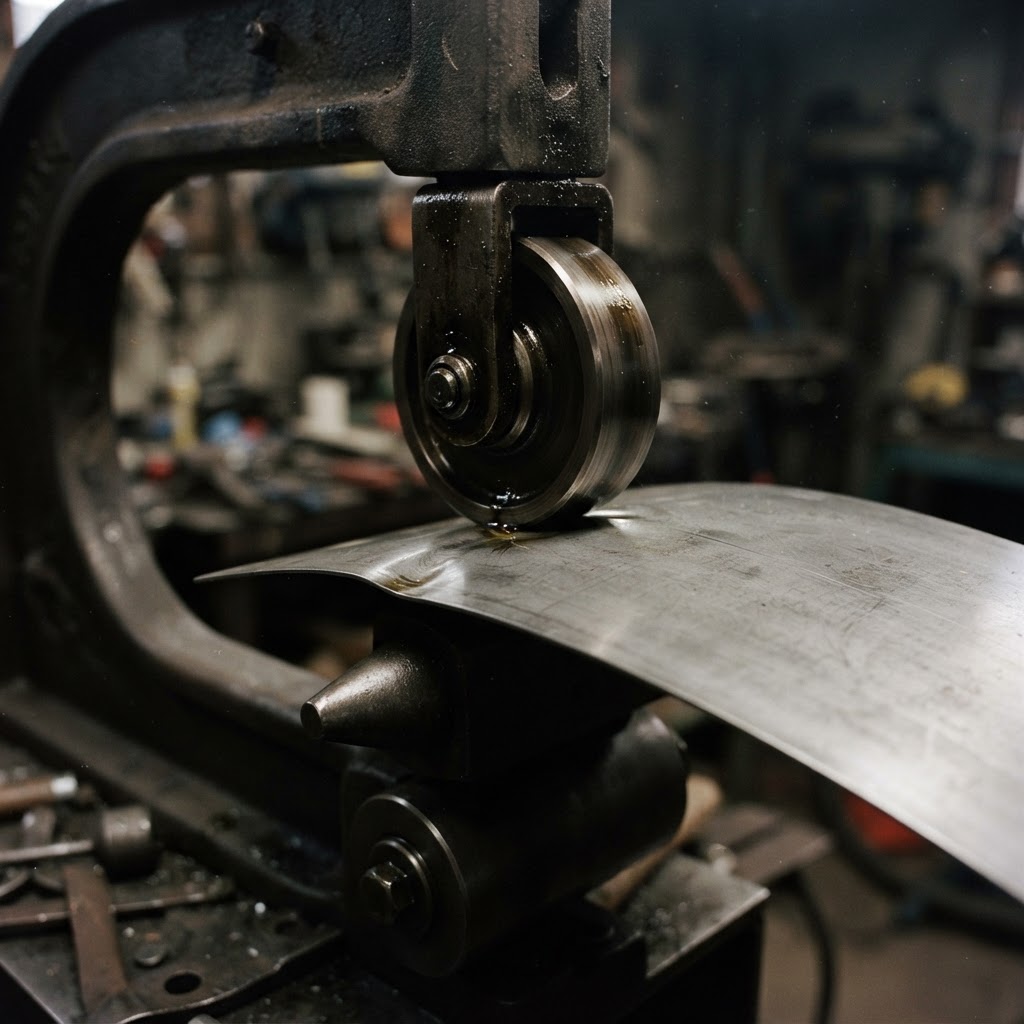
At its core, the English Wheel is a tool of profound mechanical simplicity. It consists of a rigid C-frame holding a top tracking wheel and a lower interchangeable anvil wheel. When a sheet of 19-gauge steel is passed between them, the machine does not cut or stamp; it applies localized pressure that causes the metal to stretch and thin slightly. This process is known as cold working, or strain hardening.
As the metal passes through the rollers, the grains within the crystalline structure of the steel are elongated. The lower anvil, which varies in radius, dictates the shape of the crown. A flat anvil keeps the sheet planar, while a highly crowned anvil forces the metal to curve in two directions simultaneously. This is the magic of the wheel—the ability to turn a flat, two-dimensional sheet into a complex three-dimensional form, such as a vintage fender or a sweeping door panel.
The Evolution of Techniques
Before the dominance of heavy industrial stamping presses that emerged in the 1930s to satisfy the demand for mass production, custom bodywork relied almost exclusively on the wheel and the planishing hammer. The tradespeople of the early twentieth century, particularly in the coachbuilding districts of Europe and the United States, developed an intuitive understanding of metal flow.
- Annealing: Often required to soften work-hardened steel, involving heating the panel to a dull red glow and allowing it to cool slowly.
- Stretching: Using a wide-radius anvil and high pressure to expand the surface area of the metal.
- Planishing: Utilizing smooth-faced hammers and dollies to refine the surface and eliminate the minor ripples left by the wheel.
- Tucking: Using specialized V-shaped dies or manual folds to shrink the edge of the metal where excess material accumulates.
From Craft to Industry and Back
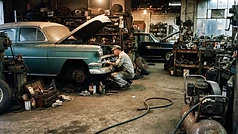
The rise of the automotive industry in the mid-twentieth century shifted the focus toward efficiency. Steel compositions became more uniform, specifically optimized for high-speed stamping presses. The chemistry of these steels, often low-carbon and highly ductile, was engineered for rapid deformation without tearing. While this made consumer vehicles affordable, it nearly extinguished the artisanal knowledge of the English Wheel. By the 1970s, many shops transitioned entirely to replacing entire panels rather than shaping them from flat sheets.
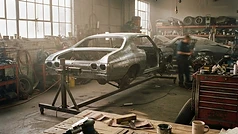
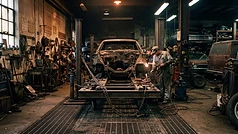
However, the craft did not vanish. It retreated into the worlds of luxury bespoke coachbuilding and, eventually, the preservationist circles of classic car restoration. Practitioners realized that the modern replacement panels produced by automated presses often lacked the subtle nuances of the original hand-rolled curves. The restoration expert learned to look at the 'memory' of the metal—identifying the stress lines and the grain direction to ensure that a patch panel would shrink and expand in harmony with the original structure.
The Legacy of the Metalshaper
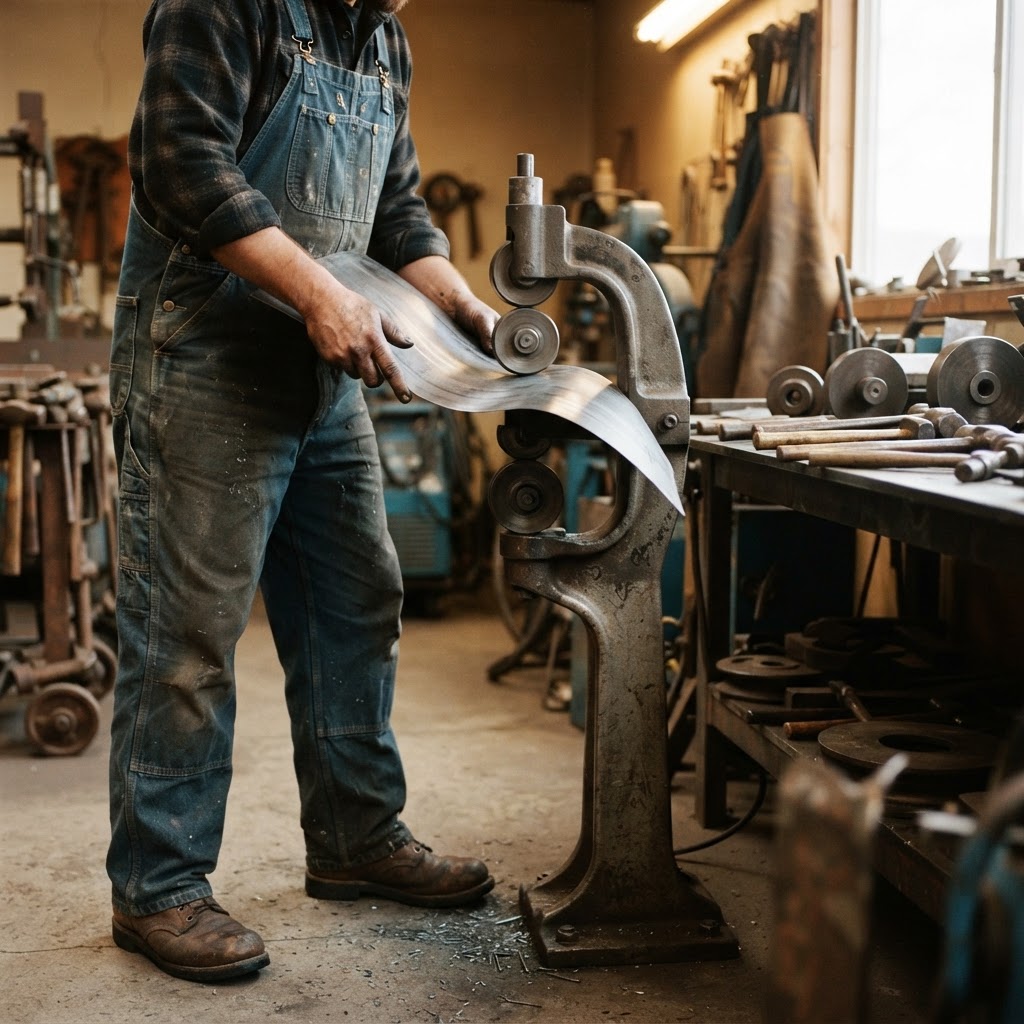
The English Wheel remains the quintessential bridge between the industrial past and the restoration present. It demands an intimate, tactile connection with the medium. While modern 3D scanning and CNC cutting have changed how we template panels, the actual shaping process remains stubbornly physical. To operate the wheel is to understand the language of tension and relief. By respecting the mechanical limits of steel, today's restorers honor the lineage of those anonymous metalshapers who spent their lives perfecting the curves of the twentieth century’s greatest machines.